Se afișează postările cu eticheta Canada. Afișați toate postările

Mountain Mints Pycnanthemum


Other Names: Wild basil, Wild Mint, Virginia-thyme, Torrey’s Mountain-mint
Caution: Not for use by pregnant women, may be harmful to fetus.
Habitat
    Several species in our area. Perennial herb native to Northern America, Canada, Virginia to New England, north to North Dakota, south to Tennessee, Georgia. Found growing on gravelly shores, meadows, dry to wet thickets, roadsides, open woods.

Cultivation
   
 Mountain-mint is an easily grown plant, it succeeds in most well-drained soils, including dry ones, and prefers a sunny position.

Description
    Plants are up to 5 ft. tall, usually branched on the upper half, growing from slender rhizomes (underground stems) usually in clusters. The lance to broad -shaped leaves are 1-2 inches long and light green turning to almost white as plant matures, slightly serrated, but usually smooth. Blooming in late summer to early fall, flowers are arranged in round, flat, tight clusters at the top of the plant. The 1/2 inch long flowers are whitish or pale lavender, the lower lip spotted with purple. Gather tops and leaves when flowers bloom and dry for later herb use.

Properties    Mountain-mint is edible and medicinal, raw or cooked the flower buds and leaves are edible and have a hot, spicy, mint-like flavor that makes a great spice or seasoning for meat. The fresh or dried leaves are brewed into a refreshing mint-like medicinal herb tea that is alterative (for that run down feeling), analgesic, antiseptic, diaphoretic, carminative, emmenagogue and tonic. The medicinal tea is used in alternative medicine in the treatment of menstrual disorders, indigestion, mouth sores and gum disease, colic, coughs, colds, chills and fevers.

    A strong decoction is medicinal poured over festering wounds. Crushed flowers are placed on tooth ache and almost instantly kills pain. Very aromatic the herb is used in potpourri or burned as incense. Placed in a muslin bag it can be used as bath additive, and is said to be very soothing to irritated skin. Will freshen laundry when used in the dryer. Thrown in a drawer or trunk it will not only freshen clothing and blankets, but keep moths away. Sprinkle on carpets to freshen the whole house and is said to be a good natural insecticide, the plant does repel insects and is good for use in the garden. Crushed flowers are rubbed on clothing to repel insects.

Folklore
    This herb was considered powerful medicine and used by medicine men to revive the dead. Several native American tribes claim that the fresh crushed flowers, when stuffed up the nose of a person near death will revive them.

Karen's Comments
    "An absolutely delightful mint often found on side of woods and in abandoned fields.  I use for natural carpet freshener. Prevention Magazine had an article that said it is good as a natural insecticide. James Duke says he rubs it on his pants before going out in the woods.
Last summer I got the worst case of chiggers. Put a muslin bag of this stuff in a real hot bath and soaked in it for half hour, then got out and rubbed myself with vinegar and the itching stopped.
This mint can be grown from roots. I have not done cuttings yet. One of my garden friends fertilized his and it got huge like a bush about 6 feet tall and I have seen them taller in some places.
My intuition tells me that some day this plant will be used as an antidepressant because it has that kind of feel to it. To the touch the flowers by rubbing under the chin feel soft as velvet. If you see some of it when you are out walking I urge you to try it and see if you fall under its spell too "  
www.altnature.com

Spearmint Mentha spicata


Other Names: Garden Mint, Menthol Mint, Mint, Sage Of Bethlehem, Silver Mint, Spear Mint
Habitat
    Perennial herb native to Central Europe now naturalized throughout the U.S. and Canada. Found growing on roadsides and in waste places, usually in damp soils and sunny positions. Cultivation: Spearmint is easily grown, it succeeds in most soils and situations so long as the soil is not too dry. Prefers a sunny position for production of essential oils, but it also succeeds in partial shade. Division can be easily done at almost any time of the year. A matted creeping root system, sends up erect, square stems to about 2 feet high. The leaves are short-stalked, lance-shaped, wrinkled, and bright green, with finely serrate edges. The small flowers are arranged in whorls or rings on spikes in the axils of the upper leaves, pinkish or lilac in color, flowers bloom in late June through August. Gather the above ground plant when first starting to bloom, the stalks should be cut a few inches above the root, on a dry day, after the dew has disappeared, and before the hot sun has taken any oil from the leaves, and dried for later herb use.

Properties
  Spearmint is edible and Medicinal, the leaves and flowers are edible raw or cooked. A strong flavor, they are used in salads or added to cooked foods. A medicinal herb tea made from the fresh or dried leaves has a very pleasant and refreshing taste, leaving the mouth and digestive system feeling clean. Also great for mint jelly, an old favorite.
 The proven medicinal constituents in spearmint are 1,8-cineole, acetic-acid, acetophenone, alpha-pinene, alpha-terpineol, apigenin, arginine, benzaldehyde, benzyl-alcohol, beta-carotene, beta-sitosterol, borneol, calcium, carvacrol, carvone, caryophyllene, diosmin, ethanol, eugenol, farnesol, geraniol, hesperidin, limonene, luteolin, menthol, methionine, niacin, oleanolic-acid, perillyl-alcohol, pulegone, rosmarinic-acid, terpinen-4-ol, thiamin, thymol, tryptophan, ursolic-acid, and many vitamins and minerals. An essential oil from the leaves and flowers is used as a flavoring in candy, gum, ice cream, drinks and commercially prepared hygen products (toothpaste, mouthwash, etc). Spearmint has been used as an alternative medicine for centuries on many different continents. It is antiemetic, antiseptic, antispasmodic, carminative, diuretic, restorative, stimulant, stomachic and tonic. The medicinal herb tea made from the leaves is used in the treatment of fevers, bronchitis, chills, cramps, chronic gastritis, common cold, headaches, indigestion, morning sickness, motion sickness, nasal congestion, nausea, halitosis, painful menstruation, and various minor ailments. Externally the stems are crushed and used as a medicinal poultice on bruises. The essential oil in the leaves, is a great rub for stiffness, muscle soreness and rheumatism, the oil also a powerful antiseptic and should not be taken in large doses. Futher research is proving the plant to be of use in many diseases.Folklore
    Both the essential oil and the stems are used in folk remedies for cancer. A poultice prepared from the leaves is said to remedy tumours. The plant repels insects, rats, mice and was formerly used as for strewing (thrown about).

Recipe
    
Easy Mint Jelly: Steep a handful of mint leaves in one of the various kinds of sweetened gelatin. The jelly should be a delicate shade of green and make about a pint of jelly. Some like to strain the liquid through a cheese cloth to remove all particles of mint before allowing to set, I kinda like the little green specks.
www.altnature.com

Jack-in-the-Pulpit Arisaema triphyllum

Other Names: Indian Turnip, Wild turnip, arum, three-leaved arum, dragon-turnip, brown dragon, devil's-ear, marsh turnip, swamp turnip, meadow turnip, bog onion, priest's-pintle, lords-and-ladies.
HabitatNative perennial herb found in moist woods from Canada to Florida and westward to Kansas and Minnesota. Cultivation: is very difficult, requires green house conditions. The leaves, one or two, are long stemmed, smooth, light green, trifoliate, and entire, each leaflet is ovate from 3 to 6 inches long and from 1 1/2 to 3 1/2 inches wide. The root is a corm, it is shaped like a turnip. WARNING: Raw corms are not edible and contain calcium oxalate which will cause a burning sensation in the mouth. The flowers blooms in April and May, the single is either all green or green with dark purple stripes, is an unusual formation, a sort of green vase, a spathe, made from a single leaf, with a stalk growing up the middle of it, and a leaf-hood folding gracefully over its top. Jack-in-the-Pulpit stands about 1 to 1 1/2 feet tall. In autumn the rest of the plant dies away, leaving only the berry-covered stalk. The fruit ripens in the form of a bunch of bright, scarlet, shining berries. This plant starts life male. After 2 years, or longer in poor soil, it turns female, flowers and bears seed. If the plant receives a shock, it may turn back male again. Gather roots in early spring and dry for later herb use.
Properties
 Jack-in-the-Pulpit root is used in alternative medicine and is edible (only after drying and cooking), it is acrid, antiseptic, diaphoretic, expectorant, irritant and stimulant. A medicinal poultice of root used for headaches and various skin diseases. Ointment used for ringworm, tetterworm and abscess. The fresh root contains high concentrations of calcium oxalate and is considered to be too dangerous and intensely acrid to use. Roasting the root after drying it 6 months removes the acridity. In this way Native Americans peeled and ground the roots to powder to make a bread, which has a flavor similar to chocolate. The roots can be cut into very thin slices and allowed to dry for several months, after which they are eaten like potato chips, crumbled to make a cereal or ground into a cocoa-flavored powder for making biscuits and cakes. A starch obtained from the roots is used as a stiffener for clothes.
Caution is advised as ingesting the fresh root can cause poisoning and even death.

Folklore
 
The root was used as a contraceptive by the women of some Native American tribes. One teaspoonful of the dried herb, powdered root in cold water was said to prevent conception for a week whilst two teaspoonfuls in hot water was said to induce permanent sterility.

Blue Vervain Verbena hastata, Verbena simplex

Other Names: American blue vervain, Blue Vervain, Herb of Grace, Herbe Sacrée, Herba veneris, Simpler's Joy, Swamp Verbena, Vervain, Wild hyssop, Wild Vervain

Blue Vervain is a North American native perennial herb, found growing along roadsides, in open sunny fields, and waste places throughout the United States and southern Canada.


Cultivation: Blue Vervain succeeds in any moderately fertile well-drained but moisture retentive soil in a sunny position, sow seed in early spring or root division in spring. Basal cuttings in early summer. Harvest the shoots with plenty of underground stem for transplanting. Growing erect from 2-3 feet tall, with square stems and opposite branches. The leaves are opposite, serrate, and lanceolate with short leaf stalks. The flowers are small and pale-lilac, 5 petaled and arranged on long numerous spikes in a panicle. Blue Vervain flowers bloom from June to September. Gather entire plant just before flowers open, dry for later herb use. Gather after flowers fade and dry to loosen seed for roasting.
Properties
    Blue Vervain is edible and medicinal. Vervain had many uses in Native American culture as food and medicine. The seed are edible when roasted and are ground into a powder and used as a pińole (an Indian flour). 
    The leaves and roots of Blue Vervain are a valuable alternative medicine used as an  antidiarrheal, analgesic, anthelmintic, antiperiodic, astringent, diaphoretic, emetic, emmenagogue, expectorant, sedative, tonic, vermifuge, vulnerary. It is useful in intermittent fevers, ulcers, pleurisy, scrofula, gravel, easing pain in the bowels and expelling worms. A very strong infusion is emetic. As a medicinal poultice it is good in headache and rheumatism. An infusion of the plant is a good galactagogue (increases breast milk) and used for female obstructions, afterpains and taken as a female tonic.  
The infusion is used to help pass kidney stones and for infections of the bladder. Used as a sudorific and taken for colds and coughs. Also useful for insomnia and other nervous conditions. Recent medical research has detected the presents of adenosine, aucubin, beta-carotene, caffeic-acid, citral, hastatoside, lupeol, ursolic-acid, verbenalin, verbenin, and other chemical constituents in this plant which prove these uses to be valid. But much more research needs to be done on this herb and its constituents. It may prove to be useful in treating many cancers and other diseases.

Wild Carrot Daucus carota


Queen Anne's Lace is the wild progenitor of our cultivated carrot. It still has many of the properties lost in cultivation. If an apple a day will keep the Doctor away a wild carrot a day might keep death itself away!
Other Names:  Queen-Anne's lace, Bees' Nest, Bird's Nest, Carrot, Carotte, Carrot, Wild Carrot, Yarkuki, Zanahoria Wild Carrot, Birds Nest Weed, Devils Plague, Garden Carrot, Bee's nest plant, Bird's nest root
CultivationHabitat
    Biennial herb originally a native of Southern Europe, it has become naturalized throughout the United States and Canada.
    Wild Carrot is easy to grow, it prefers a sunny position and a well-drained neutral to alkaline soil. Considered an obnoxious weed by some, it can spread very quickly. In its second year, from a taproot (the carrot) stems grows to a height of two to four feet or more, they are erect and branched, both stems and leaves are covered with short coarse hairs. The leaves are very finely divided-tri-pinnate, alternate, and embrace the stem with a sheathing base. The two to four inch "flower" is actually a compound of terminal umbels, made up of many small white flowers. The central flower of the Umbelliferae is often purple. A ring of finely-divided and leaf-like bracts grows at the point where the umbel meets the stem. Blooming from June to August, but often continues to bloom flowers much longer. Its root is small and spindle shaped, whitish, slender and hard, (tender when young), but soon gets tough, with a strong aromatic smell. Harvest entire plant in July or when flowers bloom, and dry for later herb use. Collect edible roots and shoots in spring when tender. Gather seed in fall.Properties
   Wild Carrot is edible and medicinal, root is edible cooked or raw, flower clusters can be french-fried for a carrot-flavored, quite attractive dish. The aromatic seed is used as a flavoring in stews and soups. Used for centuries as an alternative medicine. 

    This long list of chemical constituents and their activities, contained in Wild Carrot is brought to you courtesy of Dr. James A. Duke and his wonderful website. Acetone, acetyl-choline, alpha-linolenic-acid, alpha-pinene, alpha-tocopherol, apigenin, arachidonic-acid, arginine, asarone, ascorbic-acid, bergapten, beta-carotene, beta-sitosterol, caffeic-acid, camphor, chlorogenic-acid, chlorophyll, chrysin, citral, citric-acid, coumarin, elemicin, esculetin, ethanol, eugenol, falcarinol, ferulic-acid, folacin, formic-acid, fructose, gamma-linolenic-acid, geraniol, glutamine, glycine, hcn, histidine, kaempferol, lecithin, limonene, linoleic-acid, lithium, lupeol, lutein, luteolin, lycopene, magnesium, manganese, methionine, mufa, myrcene, myricetin, myristicin, niacin, oleic-acid, pantothenic-acid, pectin, phenylalanine, potassium, psoralen, quercetin, scopoletin, stigmasterol, sucrose, terpinen-4-ol, thiamin, tryptophan, tyrosine, umbelliferone, xanthotoxin, and a slew of other Vitamins and minerals. These constituents are known to have these activities, Analgesic, Anti-arthritic, Antidepressant, Anti-psychotic, Anti-schizophrenic, Antidote, Anti-inflammatory, Antibacterial, Anticonvulsant, Anti-diabetic, Anti-estrogenic, Anti-flu, Antihistaminic, Antioxidant, Antiseptic, Antispasmodic, Anti-epileptic, Anti-anxiety, Anti-stress, Ant-PMS, Anti-hangover, Antiviral, Cancer-Preventive, Expectorant, Fungistat, Immunostimulant, MAO-Inhibitor, Sedative, Tranquilizer, Aphrodisiac, Sweetener, Pituitary-Stimulant, and more. Ongoing studies are proving this to be a very valuable plant, useful in many areas of alternative medicine, a few are Alzheimer's, Crohn's disease, Parkinson's disease, Infertility, Asthma-preventive, most types of cancer, Diabetes, Leukemia, HIV, Spina-bifida, Migraine headache, obesity, and much more, even the common cold. Used as a medicinal herb for thousands of years as an anthelmintic, carminative, contraceptive, deobstruent, diuretic, emmenagogue, galactogogue, ophthalmic, and stimulant. 
    A medicinal infusion is used in the treatment of various complaints including digestive disorders, (soothes the digestive tract), kidney and bladder diseases and in the treatment of dropsy, it supports the liver, stimulates the flow of urine and the removal of waste by the kidneys. A wonderfully cleansing medicinal herb, an infusion of the leaves has been used to counter cystitis and kidney stone formation, and to diminish stones that have already formed. The seeds can be used as a settling carminative agent for the relief of flatulence and colic. 
    Wild Carrot leaves contain significant amounts of porphyrins, which stimulate the pituitary gland and lead to the release of increased levels of sex hormones, and stimulates the uterus. The plant is also used to encourage delayed menstruation, can induce uterine contractions and so should not be used by pregnant women. The seed is a traditional 'morning after' contraceptive and there is some evidence to uphold this belief. An essential oil obtained from the seed has also been used cosmetically in anti-wrinkle creams. A strong decoction of the seeds and root make a very good insecticide.
Folklore
   The name 'Carrot' is Celtic, and means 'red of color,' and Daucus from the Greek dais to burn, signifying its pungent and stimulating qualities. An Old English superstition is that the small purple flower in the center of the Wild Carrot was of benefit in curing epilepsy.

Recipe
"Medicinal" tea: To 1 OZ. of dried herb add 1 pint of boiling water steep l0-l5 min. drink three times a day.


http://www.altnature.com

St. John's Wort Hypericum perforatum


Other Names: Spotted St. John's wort, Hypericum, Klamath Weed, Touch-and-heal, Goat weed, Rosin Rose
Caution
St. John's Wort may interfere with other medications. Consult your physician before use if you are taking any prescription medications. Can cause problems with certain anesthesia, so notify your physician before surgery if you take St. John's Wort.

Habitat
   St. John's Wort is a perennial herb native to North America and Canada from Nova Scotia, Ontario Quebec south to the United States, eastern states. Found growing in open sunny or partial shady areas, along roadsides in dry, gravelly soils.

Cultivation
    St. John's Wort is easy to grow from seed or root division in spring or autumn, in any well-drained but moisture retentive soil. Succeeds in dry soils, prefers sun or semi-shade.

St. John's Wort Herbal Use and Medicinal PropertiesDescription
    A woody branched root system produces many round, erect, stems branching at the leaf axis, which are covered with dark red dots, stems are solid dark red at base. Growing to a height of 1 to 3 feet, The leaves are opposite, sessile and smooth edged, oblong to linear, light green and smooth, covered with small transparent oil glands that look like holes, more visible when held to bright light. The cymes of yellow flowers, grow atop each stem. The five petals are dotted with black along the margins, the center or ovary is surround by many stamens, causing it to appear furry, flowers bloom from June to September. The fruit is a three celled capsule containing small, dark brown seeds. Gather top 6 to 8 inches of plants when flowers are in bloom, dry for later use.
   There are 400 species of St. John's Wort found throughout the world, it has been used as a medicinal for thousands of years, but has only recently been studied for its medicinal value. Now proven to have many highly active compounds including rutin, pectin, choline, sitosterol, hypericin and pseudohypericin. The flowers and leaves are medicinal as analgesic, antiseptic, antispasmodic, aromatic, astringent, cholagogue, digestive, diuretic, expectorant, nervine, resolvent, sedative, stimulant, vermifuge and vulnerary. Some compounds of the plant have been shown to have potent anti-retroviral activity without serious side effects and they are being researched in the treatment of AIDS.Hypericum perforatum is thought to be a mild antidepressant of the class "MAO inhibitor." The mechanism by which St. John's Wort acts as an antidepressant is not fully understood. Early research indicated that this it mildly inhibits the enzyme monoamine oxidase (MAO). MAO is responsible for the breakdown of two brain chemicals - serotonin and nor epinephrine. By inhibiting MAO and increasing nor epinephrine, it may exert a mild anti-depressive action. The antidepressant or mood elevating effects of Hypericum perforatum were originally thought to be due solely to hypericin, but hypericin does not act alone, it relies on the complex interplay of many constituents such as xanthones and flavonoids for its antidepressant actions. Hypericum perforatum may also block the receptors that bind serotonin and so maintain normal mood and emotional stability.
    Hypericum perforatum is used in treating a wide range of disorders, including pulmonary complaints, bladder problems, diarrhea and nervous depression. It is also very effectual in treating bed wetting in children. It has a sedative and pain reducing effect, it is especially regarded as an herb to use where there are menopausal changes triggering irritability and anxiety. In addition to neuralgic pain, it will ease fibrosistis, sciatica and rheumatic pain. The oil extract of the plant can be taken for stomach ache, colic, intestinal problems, and as an expectorant for the congestion in the lungs. Externally, a medicinal infusion of the flowers in olive oil is applied to wounds, sores, burns, ulcers, swellings, cramps, rheumatism, tumors, caked breasts, and other skin problems. It is also valued in the treatment of sunburn and as a cosmetic preparation to the skin. Persons with fair skin should avoid exposure to strong sunlight and other sources of ultraviolet light, such as tanning beds, while taking St. John's Wort. These individuals may suffer a dermatitis, severe burning, and possibly blistering of the skin. The severity of these effects will depend on the amount of the plant consumed and the length of exposure to sunlight.
Folklore
   There are many ancient superstitions regarding this plant, its name Hypericum is derived from the Greek and means 'over an apparition,' a reference to the belief that it smelled so obnoxious to evil spirits that a whiff of it would cause them to fly. The plant was given to have magical powers. In ancient Greece, the herb was used to treat many ailments, including sciatica and poisonous reptile bites.

Recipes
For depression the usual dose is 300 mg 3 times a day. Timed release capsules are now on the market as well. I find it easier to only have to remember to take it once a day. Effects should be felt within a few weeks.
"Medicinal" tea: Pour 1 cup of boiling water over l-2 teaspoonfuls of the dried herb and steep for l0-l5 minutes. This should be drunk three times a day.
Oil: Fill a pint jar loosely with dried herb, poor olive oil to top, seal tightly and allow to infuse for 4 to 5 weeks, shaking the jar occasionally.


http://www.altnature.com

Lyre-leaved Sage Salvia lyrata


Habitat
   Perennial native sage, common in dry woods, barrens, roadsides, lawns and waste places. Eastern N. America - Pennsylvania to Florida, west to Texas and Illinois. Cultivation: requires a very well-drained light sandy soil in a sunny position. Growing to about 16 to 24 inches in height with a square, slightly hairy, stem and produce whorls of blue or violet tubular flowers. The leaves form a basal rosette, are up to 8" long, and often have dark red or purple areas along the main veins, are irregularly cleft and some times lobed. Gather fresh young edible leaves in spring. Gather entire plant as flowers bloom, dry for later herb use.

Properties
   Medicinal and edible herb, as an alternative medicine it is carminative, diaphoretic, laxative, and salve. Lyre-leaved sage has some of the same medicinal properties of the other sages but is very week. It is used mainly as a gargle in the treatment of sore throat and mouth infections. Medicinal salve made from root is applied to sores. Warm infusion of herb is taken as a laxative or for colds, coughs and nervous debility. This sage is not very strong tasting, and has a rather pleasent minty flavor, fresh young leaves are edible in salads, or cooked as pot herb.
Folklore
   Lyre-leaved sage is also a folk remedy for cancer (as the plant grows like a cancer upon the earth) it is therefore said to cure it. The fresh leaves are said to remove warts.

Recipe
Medicinal tea: To 1 cup water add 1 tbsp. dried herb, bring to boil, steep 10 min. strain, sweeten to taste, drink warm at bed time.

Joe Pye Weed , Gravel Root Eupatorium purpureum

Habitat
    Joe Pye Weed is a North American native perennial herb found in moist woods and meadows from southern Canada to Florida and west to Texas.
Cultivate from seed or root separation, with partial shade to full sun in
rich alkaline soil. Growing to a height of about 12 ft. it makes a handsome addition to any garden or as a privacy border. The sturdy, hollow, purple stems are covered with whorls of 4 to 8 dark green, lance shaped, and serrated  leaves, up to 1 foot long. Atop each stem is a rose pink to whitish domed cluster of flowers, about 1 foot in diameter, blooming in August and September. The root is woody, thick and purplish brown with cream colored flesh. Gather leaves anytime and entire plant in full bloom. Dig roots after frost.

Properties
    The entire plant is used as an alternative medicine with the roots being the strongest part. Crushed leaves have an apple scent and are dried then burned to repel flies. Infuse dried root and flowers for a diuretic tea
to relieve kidney and urinary problems. Tea is used to induce sweating and break a high fever. Also useful for rheumatism, gravel (gallstones), and dropsy (fluid retention).

Folklore
   The plant is named after an American Indian named Joe Pye, who was said to have cured typhus with it. Some Native American tribes still consider Joe Pye Weed to be an aphrodisiac.

Recipes


Root tea: To 1 pint boiling water add 1 oz. dried rootstock  steep for 30
min. take in ˝ cup doses 4 or 5 times a day.

Flower tea: To 1 cup boiling water add 1 tsp. dried flowers steep for 10
min. drink 1 to 3 cups a day.

Japanese Honeysuckle Lonicera japonica


Other Names Chin Yin Hua, Chin Yin T'Eng, Honeysuckle, Japanese Honeysuckle, Jen Tung, Jen Tung Chiu, Jen Tung Kao, Sui-Kazura, Yin Hua, Hall's Honeysuckle, White honeysuckle, Chinese honeysuckle, Halliana
Habitat 
 Perennial herb Native to E. Asia - China, Japan, Korea, now naturalized in Britain and the US from southern New York and New Jersey south to southern Florida and west to southwestern Texas. Inland it is distributed from Pennsylvania and West Virginia west to Missouri, Kansas, and Oklahoma. Widespread in the eastern and southern United States. Japanese honeysuckle is an important white-tailed deer food and is often invasive. Cultivation: prefers partial shade to full sun and moist soil. Prune back hard in winter to prevent the build-up of woody growth, provide a trellis. Climbing Vine, Shrub, it has a dense root system that may extend laterally for a distance of 7 to 10 feet, and attain depths of 3 to 4 feet. The simple, opposite, pinnate leaves are oval to oblong in shape and are semi-evergreen and may persist on vines year-round, up to 3 inches in length. The extremely fragrant, two-lipped flowers are borne in pairs in the axils of young branches and are produced throughout the summer. Flowers range from 1 to 2 inches in length and are white with a slight purple or pink tinge when young, changing to white or yellow with age, they are edible. The fruit is a black, berrylike drupe with three to five one-seeded stones. (See harvest times for various parts of the plant below).

Properties
 Japanese honeysuckle is edible and medicinal. High in Calcium, Magnesium, and Potassium, the leaves can be parboiled and eaten as a vegetable. The edible buds and flowers, made into a syrup or puddings. The entire plant has been used as an alternative medicine for thousands of years in Asia. The active constituents include calcium, elaidic-acid, hcn, inositol, linoleic-acid, lonicerin, luteolin, magnesium, myristic-acid, potassium, tannin, and zink. It is alterative, antibacterial, antiinflammatory, antispasmodic, depurative, diuretic, febrifuge, and is also used to reduce blood pressure. The stems are used internally in the treatment of acute rheumatoid arthritis, mumps and hepatitis. The stems are harvested in the autumn and winter, and are dried for later herb use. The stems and flowers are used together a medicinal infusion in the treatment of upper respiratory tract infections (including pneumonia) and dysentery. An infusion of the flower buds is used in the treatment of a wide range of ailments including syphillitic skin diseases and tumors, bacterial dysentery, colds, and enteritis. Experimentally, the flower extracts have been shown to lower blood cholesterol levels and are antibacterial, antiviral and tuberculostatic. Externally, the flowers are applied as a medicinal wash to skin inflammations, infectious rashes and sores. The flowers are harvested in early morning before they open and are dried for later herb use. This plant has become a serious weed in many areas of N. America, it might have the potential to be utilized for proven medicinal purposes. Other uses include; Ground cover, Insecticide, Basketry, vines used to make baskets. The white-flowers of cultivar 'Halliana' has a pronounced lemon-like perfume.

Ground Ivy


Other Names: Alehoof, Cat’s foot, Creeping Charlie,
 Gill-over-the-ground, Gillrun, Hay maids, hedge maids

Habitat
   Ground ivy is a creeping European perennial evergreen, naturalized in North America and found in moist shady areas, along paths, around hedges, and roadsides from Ontario to deep south, west to Kansas, and along the Pacific Coast. Cultivation: it is easily cultivated through root division and thrives in moist shady areas. A member of the mint family it is finely haired all over and has a square creeping stem which grows from a few inches up to two feet long. The leaves are heart shaped, opposite, scalloped, and dark green, sometimes tinted purple. The main root is thick and matted it sends out runners as long as 36 inches. Flowers appear in march and are purplish to blue, two lipped and grow in axillary whorls of six. Gather leaves, flowers and stems year round. Can be dried for later herbal use.

Properties

  Medicinal and edible, a light taste very agreeable in salads. Ground ivy is used in alternative medicine and is an excellent spring tonic, it is an appetite stimulant. It contains a volatile oil which aids in relieving congestion and inflammation of mucous membranes associated with colds, flu, and sinusitis. It is Anti-allergenic, Antibacterial, Anti-flu, Antihistaminic, Anti-inflammatory, Antioxidant, Antiseptic, Antispasmodic, Antiviral, Cancer-Preventive, Expectorant, Immuno-stimulant, and Sedative. Ground ivy tea or juice is well tolerated and can be given to small children. Some of the most valuable plant constituents are 1,8-cineole, alpha-pinene, apigenin, beta-sitosterol, borneol, caffeic-acid, ferulic-acid, hyperoside, iodine, luteolin, menthol, oleanolic-acid, rosmarinic-acid, rutin, ursolic-acid. Ground-Ivy is being studied for use in preventing Leukemia, Bronchitis, Hepatitis, many kinds of cancer, and HIV. The fresh juice or a medicinal tea is used to treat digestive disorders, gastritis, acid indigestion, and diarrhea. It is also beneficial for liver and kidney function, said to relieve gravel and stones. Although results are not conclusive it is being used as an antidote for lead poisoning. Added to bath as an emollient to soften skin and has a sedative effect.
Folklore
  Ground ivy has a long history of use in alternative medicine and as an edible herb, dating back to the first century A.D. it was long considered a panacea (cure-all). Known for it’s hi vitamin C content it is said to be one of the first herb and edible plants brought to the North American continent by early settlers.

Recipes
Spring Tonic: Steep 2 tsp. of fresh or dried herb in 1 cup water for 10 min. flavor with peppermint or honey to taste take in ˝ cup doses twice a day.

Colds and flu: Express fresh juice with press. Take in 1 tsp. doses 3 times a day, ˝ tsp. for children. Use 2 or 3 drops in nose twice a day for sinusitis.

Goldenseal Hydrastis canadensis


Goldenseal is endangered and should be cultivated, not harvested from the wild.
Other Names:  Yellowroot, Yellow puccoon, Eye balm, Eye root, Indian dye, Ground raspberry, Jaundice root
Goldenseal Description and Habitat
  
Goldenseal is a native North American perennial plant found growing from Vermont to Minnesota and southward. It is rare in some places due to over harvesting.
Goldenseal is found mostly in shady deep woods and damp meadows, prefers humus, rich, well drained soil, shade, and can be cultivated by using seeds or transplanting seedlings. Goldenseal grows to about 18 inches high, the stem and leaves are hairy and deep green. The large palmate leaves are serrate, with five to seven lobes, growing near the stem top in nearly alternate pairs. Blooming occurs from march to May, atop the stem appears a solitary, small, greenish-white flower which appears to be furry. The fruit is red and resembles a raspberry. The root is thick and knotted, bright yellow, and has long thin root hairs. Gather the roots in mid summer and early fall.
Properties
   Goldenseal has a long history of use as
 an alternative medicine. The plants constituents confirm these uses and further studies indicate the presents of hydrastine, berberine and canadine which are showing promise in fighting cancer and other diseases. It is used internally only for short periods of time (3 months or less) as an antiseptic, antibacterial, antispasmodic, laxative, and astringent. Used as an infusion or weak tea for upset stomach and disorders of the digestive system, also makes a great mouthwash for sore gums, pyorrhea, mouth ulcers, and as gargle for sore throat. Douching with the tea can help relieve itching and vaginal infections. The powdered root may be snuffed or sniffed in the nose for infected sinuses. Use a few drops warm for ear ache and eye wash for sore eyes and sties. Used externally as a wash or rub in paste form, for ringworm, athletes foot, infected sores, and skin diseases. Also used to stop bleeding (homeostatic). A yellow dye is obtained from the root and the smashed root smeared on the body is said to repel insects.

CAUTION: Large doses are poisonous and extended internal use or use during pregnancy is not recommended.Folklore
  
 
Goldenseal refers to the root scars from old growth which looks like the old seal or stamp used to seal envelopes. Some Native American tribes considered goldenseal a sacred herb, and used it extensively, not only for its healing powers and to stop bleeding, but as a paint or bright yellow dye and applied it to their faces, horses and weapons during ceremonial dances before going to war. It was believed by the early settlers that if they destroyed all the yellowroot the Indians would not attack because they could not paint themselves.
Recipe
Stomach tea: To 1 pint of boiling water add 1 tsp. powdered root, let stand till cool. Take 1 to 2 tsp. up to six times a day. Also used as mouthwash, douche, and ear drops. For eye wash add 1 tsp. boric acid to mixture while hot.

Chamomile, German

Other Names:  Camomile, Chamomile, Wild Chamomile, Sweet Chamomile, German Chamomile, Hungarian Chamomile, Mayweed, Scented Mayweed, Pineapple Weed
Chamomile Herbal Use and Medicinal Properties
Chamomile flowers are used in alternative medicine as an anodyne, anti-inflammatory, antispasmodic, nervine, stomachic, tonic, vasodilatory. The anti-inflammatory properties make it good for rheumatism, arthritis, and other painful swellings. Additional uses in herbal medicine include an antispasmodic for intestinal and menstrual cramps, relieving gas pains, and a very mild but efficient laxative. Milder tea in large doses is given throughout the day for fevers, sore throats, the aches and pains due to colds, flu, and allergies. External UseInternal Use
Chamomile is one of the most widely used flowers for herbal tea. Chamomile Tea is so popular, it is found in most grocery stores in the tea aisle. It is used as a mild sedative, and is good for insomnia as well as many other nervous conditions. 
It is nervine and sedative especially suited to teething children and those who have been in a highly emotional state over a long period of time. Except for the small risk of allergy, Chamomile is also one of the safest herbs to use.
 An infusion of Chamomile flowers is used as a hair shampoo, especially for fair hair. The flowers are sometimes added to cosmetics as an anti-allergenic agent or made into a salve for use on hemorrhoids and wounds. The dried herb is made into potpourri and herb pillows, and is burned for aromatherapy. Applied externally as a wash or compress for skin inflammations, sunburn, burns, and added to bath for relaxing tired, achy muscles and feet, and softening the skin.
Other Uses
Chamomile tea is used as a liquid feed and plant tonic, effective against a number of plant diseases. An essential oil from the whole plant is used as a flavoring and in making perfume. The dried flowers are used as an insect repellent.

Constituents

The chief constituent of Chamaemelum have been identified as esters of angelic and tiglic, together with amyl and isobutyl alcohol's. It also contains anthemol and a hydrocarbon anthemene. The flowers contain various volatile oils including proazulenes. Upon steam distillation these proazulenes produce chamazulene, this is remarkably anti-allergenic and is useful in the treatment of asthma and hay fever.

Habitat and Description

  (Matricaria chamomilla) Wild Chamomile is an annual herb originally from Europe which has escaped to the wild and is now naturalized on almost every continent. It can now be found growing along fence rows, roadsides, and in sunny open fields from Southern Canada to Northern U.S. west to Minnesota. The branched stem is somewhat erect, round, hollow, and grows to about 20 inches tall. The leaves are bipinnate, finely divided, light green and feathery. The flowers are daisy-like about 1 inch across and bloom from May to October. The entire plant has a pineapple scent (apple to some) and planted in the garden is said to help sickly plants to grow. Gather the above ground parts as soon as flowers bloom, dry for later herb use.

History and Folklore

It is said that the Egyptians dedicated Chamomile to their sun god and valued it over all other herbs for its healing qualities. Due to its sedative and relaxing properties Chamomile was an ingredient in some love potions in the middle ages.

Chamomile Herb Recipe Ideas

The flowers are edible and quite tasty in salads or made into a refreshing cold or warm beverage.
Relaxing tea: To 1 cup boiling water add 2 tsp. dried flowers. Steep covered for 10 min.
For Bath: Use ˝ to 1 cup fresh or dried herb tied in linen bag. Place in tub with hot water let soak for 10 min. then add cold water to the temp. you like. Do not add soap to bath, as it will coat your skin and not allow the Chamomile to penetrate.
Also for colds or when you feel really bad, try the tea while you’re soaking in the bath.

Ephedra Ephedra nevadensis


Other Names: Brigham Tea, Mormon tea, American Ephedra, Nevada Joint-fir, American Ma Huang, Mexican tea, Desert Ephedra, Desert tea
Habitat
 
Southwestern N. America, found growing on dry slopes and hills, sandy plains, canyons, sandy and rocky places, deserts. Ephedra may be found further east in dry areas where it has escaped cultivation. Cultivation requires some effort, prefers light (sandy) dry, acid, soil in sunny position, cannot grow in the shade and not self-fertile, both male and female plants must be grown if seed is desired. An evergreen shrub growing 2 to 3 feet high with no leaves. Stems are green, smooth, woody, branching, and very jointed. Small yellow-green buds appear in the joints when in bloom. Gather stems anytime and dry for later use.
Properties Used extensively for food and medicine by Native Americans of the Southwest, especially in dry desert areas. The fruit or buds are eaten raw and have a very mild sweet taste. The seed is roasted and used as coffee or ground into a meal for bread. The stems of most Ephedra species contain the alkaloid ephedrine which is very valuable in the treatment of asthma and many other respiratory complaints. The stems are anti-viral, antidote, antispasmodic, diaphoretic, blood purifier, diuretic, pectoral, febrifuge, vasodilator, stimulant, and tonic. The young stems are best if eaten raw, though older stems can be used to make a medicinal tea. The plant has antiviral effects, particularly against influenza. Unlike using the isolated or synthesized ephedrine, using the whole plant in alternative medicine is much more effective and rarely gives rise to serious side-effects. This is true with most herbs, but especially with Ephedra, since other plant constituents can help buffer or improve the actions of the main constituents. Other plant constituents in Ephedra are Calcium, Phosphorus, Protein, Flavone, Saponin, Tannins, and Volatile oil. Ephedrine acts quickly to reduce swellings of the mucous membranes, dilates the bronchial vessels and has antispasmodic properties. Because of this scientifically proven action on the respiratory system it is known to have saved many lives, while Ephedra does not cure asthma it is very effective in treating the symptoms and making life somewhat easier for the sufferer. Used for centuries in Chinese medicine Ma Huang or Chinese Ephedra is well known and exported all over the world for use in pharmaceuticals to treat asthma, hay fever, allergic complaints, stimulating the heart and central nervous system, and kidney problems. While the chemical constituents in the American Ephedra plant is said to be less concentrated, it is still used for the same medicinal purposes and said to have fewer side effects.
Caution is advised as an overdose can be fatal, causing high blood pressure, racing of the heart, confusion, nervous stupor, twitching, convolutions and death. Ephedrine is seen as a performance-boosting herb and is a forbidden substance in many sporting events such as athletics. This herb should not be used by people who are taking monoamine oxidase inhibitors, or suffering from high blood pressure, hyperthyroidism or glaucoma.Folklore
 
Ephedra was found buried in a Middle Eastern neolithic grave, indicating that it was used as a medicine over 60,000 years ago (TRUE). It is believed that the roots of the plant have the opposite effect of the stems, this is unproven. An infusion of the dried stems has been used in the treatment of venereal diseases. The pulverized or boiled stems were also used for delayed or difficult menstruation or applied externally as a poultice on syphilitic and other sores by some native North American Indians. It was also used as a ceremonial drug to improve the alertness of the hunter and the wood of the plant is considered the best charcoal for tattooing.

Burdock


Burdock, an herb with prickly seeds also known as Cocklebur, is a common wild plant. First year plants have large leaves that resemble Elephant ears but lay prostrate on the ground (basal leaves). Do not confuse with Rhubarb, whose leaves are poisonous.In the second year, Burdock sends up a stem and boasts round pink and white or purple flowers in early summer, then ripens into prickly balls up to an inch in diameter.
 If they are unaware of its use as food and medicine, most people would consider Burdock to be a weed, and a pesky one at that. The ripe seeds cling to clothing and animal fur, and aren’t always easy to remove. I spent many an hour as a youngster combing cockleburs from the fur of our dogs and horses, and writing them off as minor nuisance.
An old time herbalist, now deceased, told me that the seeds of Cocklebur soaked in milk will cure cancer. The root is edible, and mostly used as a blood purifier; the leaf is used externally for skin breakouts. It is also said that Burdock leaves applied to the feet may cure gout. John Lust in “The Herb Book” says that Burdock leaves may be helpful as a skin wash for acne, poison ivy, and poison oak.
 In magic, this is a protective herb that wards off negativity, offers healing and protection.
Burdock is commonly found in pastures and waste places in the Eastern Central United States, as far south as Tennessee - though more common northward, also in Canada.

Bloodroot Sanguinaria canadensis


Bloodroot Herb Use and Medicinal Properties

Bloodroot is used in herbal medicine in very small doses, mainly for bronchial problems and severe throat infections. The root is used in many pharmaceuticals, mixed with other compounds to treat heart problems, dental applications (to inhibit plaque), and to treat migraines. Bloodroot paste is used externally for skin diseases, warts, and tumors. For ringworm apply the fluid extract. Bloodroot is said to repel insects. The root isused in as an anesthetic, cathartic, emetic, emmenagogue, expectorant, diuretic, febrifuge, sedative, stimulant and tonic.
Research is very promising for Bloodroot constituents. One is sanguinarine; it is showing results as an anesthetic, antibacterial, anti-cholinesterase, anti-edemic, anti-gingivitic, anti-inflammatory, anti-neoplastic, antioxidant, anti-periodontic, anti-plaque, antiseptic, diuretic, emetic, expectorant, fungicide, gastrocontractant, hypertensive, pesticide, respiratory stimulant and more. Another important constituent is Berberine (also found in Goldenseal, Oregon Grape and Honeysuckle) which is showing promise in fighting brain tumors and many other cancers. CAUTION Use internally with caution, it contains toxic opium-like alkaloids and can cause mucous membrane irritation, an over dose can be fatal, do not use when pregnant or lactating. Bloodroot is not edible.

Bloodroot Habitat and Description

Bloodroot is a North American native perennial herb found growing in shaded, moist, rich woodlands from Quebec south to Florida and west to Kansas. Bloodroot grows to about 6 to 7 inches tall.  The pale green, palmate, lobed, basal leaf is wrapped around the flower as it emerges and opens as the flowers blooms. The stem of Bloodroot is round, often orange or red when mature, it is topped by a single white flower with 8 to 12 petals and bright yellow center. The root is a thick, tender, tuber which contains a red juice that stains the skin readily. Gather root when flowers are in bloom. Dry the roots for later use or tincture fresh.Bloodroot is endangered and should be cultivated. Do not harvest from the wild.

How to Grow Bloodroot

Cultivate Bloodroot from seed or root cuttings, prefers light, sandy, moist soil, slightly acidic, shady areas. Bloodroot takes easily to cultivation in shady areas. Plants can be found from ethical cultivators. Again, do not take Bloodroot plants from the woods.

Herbal Recipes

Dye: Mix 4 tbs. fresh Bloodroot juice in 1 gal. cold water, add 1 tbs. alum as mordant. This preparation will work on most material to achieve a red to orange hue. Wear gloves when handling bloodroot.

History and Folklore

Bloodroot was used as a medicinal herb extensively by the Indian Medicine Men and Women in some North American tribes. It was also a ritual skin paint, or war paint, and used as dye by others. The red juice expressed from the root makes an excellent die for cloth, yarn, and many other materials and can be used as a wood stain.

Black Cohosh Cimicifuga racemosa


Black Cohosh has a long history of use by Native Americans and as an alternative medicine by early settlers. It was used mainly to treat painful periods and problems associated with the menopause, used in conjunction with St. John's Wort it has proven to be effective in treating hot flushes and other menopausal problems. Black Cohosh is believed to be useful for treating a range of other complaints; including tinnitus and high blood pressure. The fresh flowers have a strong odor and are effective insect repellents.
Black Cohosh contains Acetic-acid, Actein, Ascorbic-acid, Butyric-acid, Cimicifugin, Formononetin, Gallic-acid, Isoferulic-acid, Oleic-acid, Palmitic-acid, Salicylic-acid, and Tannic-acid. It is a powerful cardiac stimulant and has a sedative effect on the nervous system.  Research has shown that Black Cohosh root has estrogenic activity and reduces levels of pituitary luteinizing hormone, thereby decreasing the ovaries production of progesterone. Used as an alterative, antidote, anti-inflammatory, anti-rheumatic, antispasmodic, astringent, birthing aid, cardio-tonic, diaphoretic, diuretic, emmenagogue (to promote menstruation), expectorant, hypnotic, tonic and to treat rheumatism.

Habitat

Black Cohosh is a native North American perennial herb, found from southern Canada to the Appalachian Mountains and as far south as Georgia and Missouri. It grows mostly on hillsides and in open woods in moist rich soil. Black Cohosh grows to about 8 feet tall and bears a handsome long plumb of white flowers from June to August. The leaves are pinnate and compound with irregular tooth leaflets. The rootstock is knotty and scared with old growth. The rhizome of the root is black and rough, Cohosh is a Native American word for rough, hence Black Cohosh.

How to Grow Black Cohosh

Black Cohosh is a hardy perennial in shaded areas to zone 3.  Grow in shaded areas, requires watering to thrive. Sow seed 1/4 inch below soil surface in a flat in the late Summer. Plant in rich, moist ground in Spring.Easily propagated by division. Black Cohosh prefers humus rich soil, like that found in the woods. It will self sow its seed and can grow into big patches under the right conditions. Black Cohosh Seed

Folklore and History

Black Cohosh root was used by Native Americans to treat snake bite and as a ceremonial herb to bring visions. The root was thought by some early American settlers to be the main ingredient in witches brew, and any female caught with it in her possession was burned as a witch.

Harvest

Gather Black Cohosh rootstock in the fall after the fruit has formed. Wash roots carefully, blot with paper towel or absorbent cloth. Dry in a well ventilated area away from smoke, pets and pests, preferably on wire racks.

Herbal Recipes

Black Cohosh Decoction: Add 2 tsp. dried rootstock to 1 pint of water, boil and let cool. Give 2 to 3 tbsp. up to six times a day.
Black Cohosh Tincture: Soak 2 to 3 oz. powdered rootstock in 8 to 12 oz. Vodka for 3 weeks shaking the jar 1 or 2 times a day. Strain, give 5 drops 3 to 4 times a day.

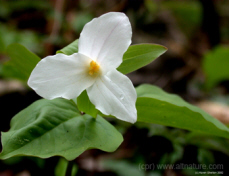
Trilliums, Birthroot, Beth Root


Many types of Trilliums appear throughout our area in early spring. The flower symbolizes the early arrival of robins- ‘wake-robin' is a common name. Perennial native to Eastern N. America and Canada, Maine to Ontario, south to Georgia and Arkansas. Found growing in rich woods and thickets. Cultivation: Trillium is fairly easy to grow, it prefers a deep well-drained woodland or humus-rich soil in a shady position that remains moist in the summer. Transplants from the wild are best, but can be propagated by seed though it may take 2 years to germinate and another two years to bloom. Trillium is a very ornamental and long-lived plant. It is said to be a polymorphic species and is very subject to mutation. Trillium grows from a short thick root or rhizome. The long stem is tinged with red, round and smooth, unbranched, growing up to 2 feet high. Atop the stem there is a whorl of 3 broadly ovate, short petiole, wavy-edged and dark green (sometimes mottled) leaves. This whorl of leaves can reach as much as 10 to 12 inches in diameter . The flower perches above the leaves on a 2 to 3 inch petiole or small stem, or is sometimes sessile (having no stem) as with the Toad shade Trillium or the Prairie Trillium, and may be dark red to pink or white or even both, but always with 3 petals and 3 green sepals, forming a star shape.  According to ginsengers, this group of flowers, as well as Jack in the Pulpit; are good indicators of soil favorable for growing wild ginseng.
Flowers bloom from April to June. Gather the young edible leaves before flowers appear and the roots in spring and summer. Dry root for later herb use.
Properties: Trillium is edible and medicinal, it has a long history of use by Native Americans. The young edible unfolding leaves are an excellent addition to salad tasting somewhat like sunflower seeds. The leaves can also be cooked as a pot herb. The root is used as an alternative medicine and is antiseptic, antispasmodic, diuretic, emmenagogue (to promote menstruation), and ophthalmic. The roots, fresh or dry, may be boiled in milk and used for diarrhea and dysentery. The raw root is grated and applied as a poultice to the eye in order to reduce swelling, or on aching rheumatic joints. The leaves were boiled in lard and applied to ulcers as a poultice, and to prevent gangrene. An infusion of the root is used in the treatment of cramps and a common name for the plant, ‘birthroot', originated from its use to promote menstruation. A decoction of the root bark can be used as drops in treating earache. Constituents found in the volatile and fixed oils are, tannic acid, saponin, a glucoside resembling convallamarin, sulphuric acid and potassium dichromate, gum, resin, and starch.
Folklore: Used to facilitate childbirth, and to treat other female problems by the women of many Native American tribes. Trillium root was considered to be a sacred female herb and they only spoke of it to their medicine women.